
About US
Supporting people and environments to perform, adapt, and thrive.
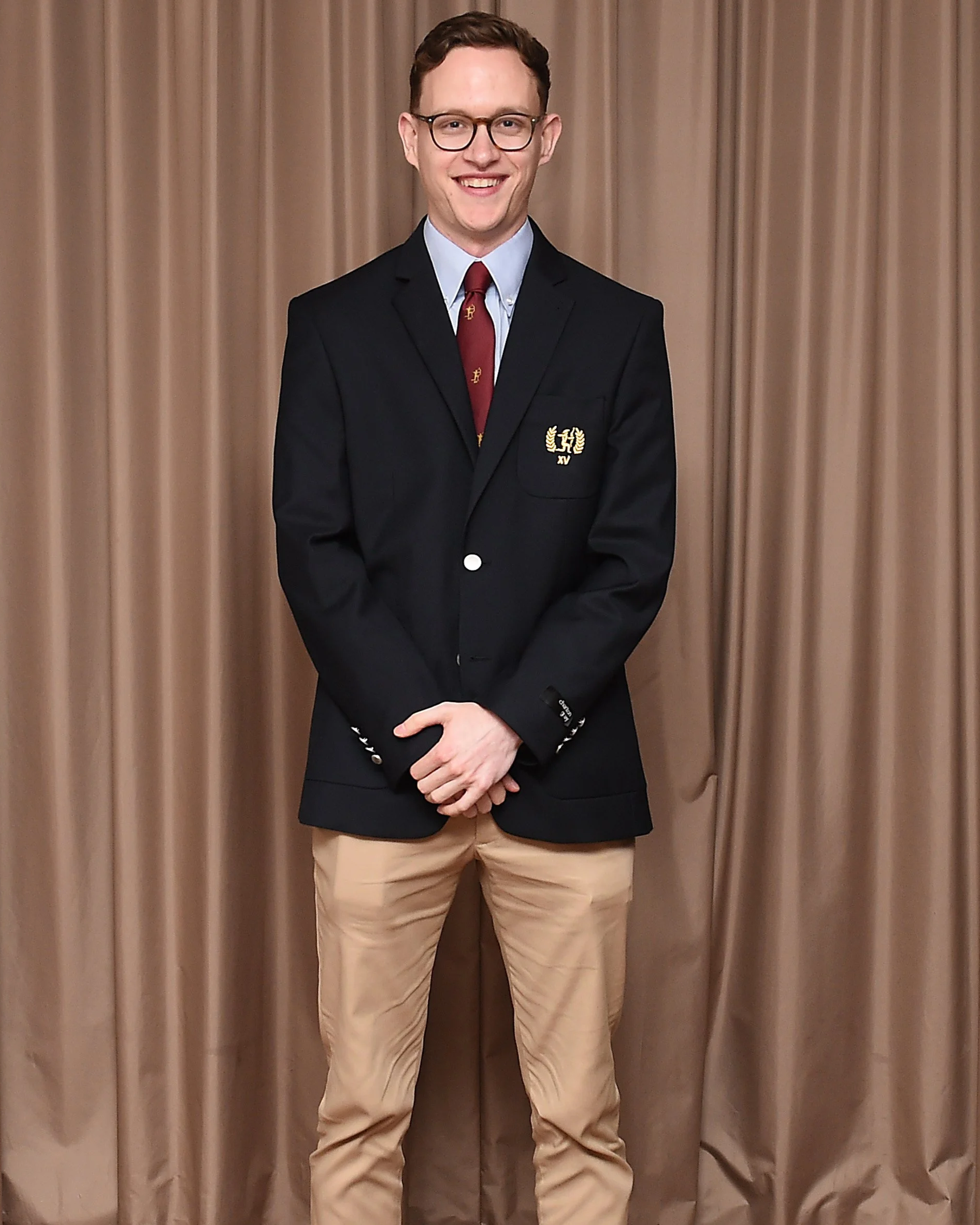
Meet the Founder
Luke Matthews
I’m a Sport Psychologist in Training and PhD researcher who has been working across university and elite sport environments for the past 8 years. I support athletes, coaches, teams, and performance organisations to navigate the psychological demands of performance, development, and wellbeing. I’m particularly interested in how the environments around people – their stressors, relationships, and cultures – shape how they perform and feel over time.


Who We Are

-
Kinoko Sport & Performance Psychology was created to support people and environments to perform, adapt, and thrive in sustainable ways. We believe performance is not only shaped by ability, preparation, and mindset, but also by the wider demands, relationships, and cultures that surround people in sport. Our work exists to help athletes, coaches, teams, and organisations navigate those demands with thoughtful, evidence-based psychological support.
-
Our mission is to help people perform well and stay well. We care about helping athletes, coaches, and organisations pursue high performance, but also about how they experience that pursuit over time. We want psychological support to contribute not only to better results, but to healthier, more effective, and more sustainable environments.
Our work is guided by three core principles: evidence, connection, and context. In practice, this means grounding what we do in current research, building genuine working relationships, and shaping support that fits the real demands of applied sport and performance settings.
-
Our approach is evidence-informed, strengths-based, and grounded in the real contexts people perform in. We integrate positive psychology and strengths-based principles with cognitive behavioural methods, helping people move towards meaningful outcomes rather than only away from problems. In practice, this means noticing and building on existing resources and small positive shifts, while still working actively with thoughts, emotions, and behaviours when they get in the way.
A core focus of our work is reducing the gap between physical capability and actual performance under pressure – helping people bring more of their training level into competition or other demanding situations. This can include strengthening performance under pressure, improving focus and decision-making, and developing routines and strategies that support consistency when it matters most. All of this is done with an eye on wider organisational and environmental influences, recognising that sustainable performance depends on more than simply “doing more” or “trying harder”. People are most likely to thrive when the environments around them are psychologically informed and conducive to performance.
-
Kinoko means mushroom in Japanese, and for us it represents growth, connection, and systems. Fungi don’t operate in isolation – they form networks and support wider ecosystems. That idea sits at the heart of Kinoko: performance and wellbeing are shaped not just by individuals, but by the environments, relationships, and structures around them. Kinoko is about working with both people and their contexts, rather than seeing them in isolation.
-
Professional Role & Status
Kinoko is led by Luke Matthews, a Sport Psychologist in Training (BASES SEPAR Candidate), working towards completion of the accreditation route in November, 2026. In practice, this means I work under supervision to deliver psychologically informed support while continuing to develop and evidence our competencies. I have been qualified to practise under this route for the past two and a half years, building experience across university and elite sport environments.
Qualifications
MSc in Sports Psychology, Cardiff Metropolitan University
PhD researcher funded by the ESRC Wales Graduate School for the Social Sciences, exploring relationships between physical and psychological load, rest, and health, well-being, and performance in English International rugby
Experience
Luke’s applied experience includes one-to-one support, group workshops, and integrated work alongside multidisciplinary staff in team sport settings. Much of Luke’s current work is rooted in rugby, and he draws on experience from a range of sports and performance contexts to support athletes, coaches, and performance staff around the psychological demands of performance, development, and wellbeing. Luke’s ongoing research and applied practice help keep support both evidence-informed and grounded in the realities of a range of performance environments.